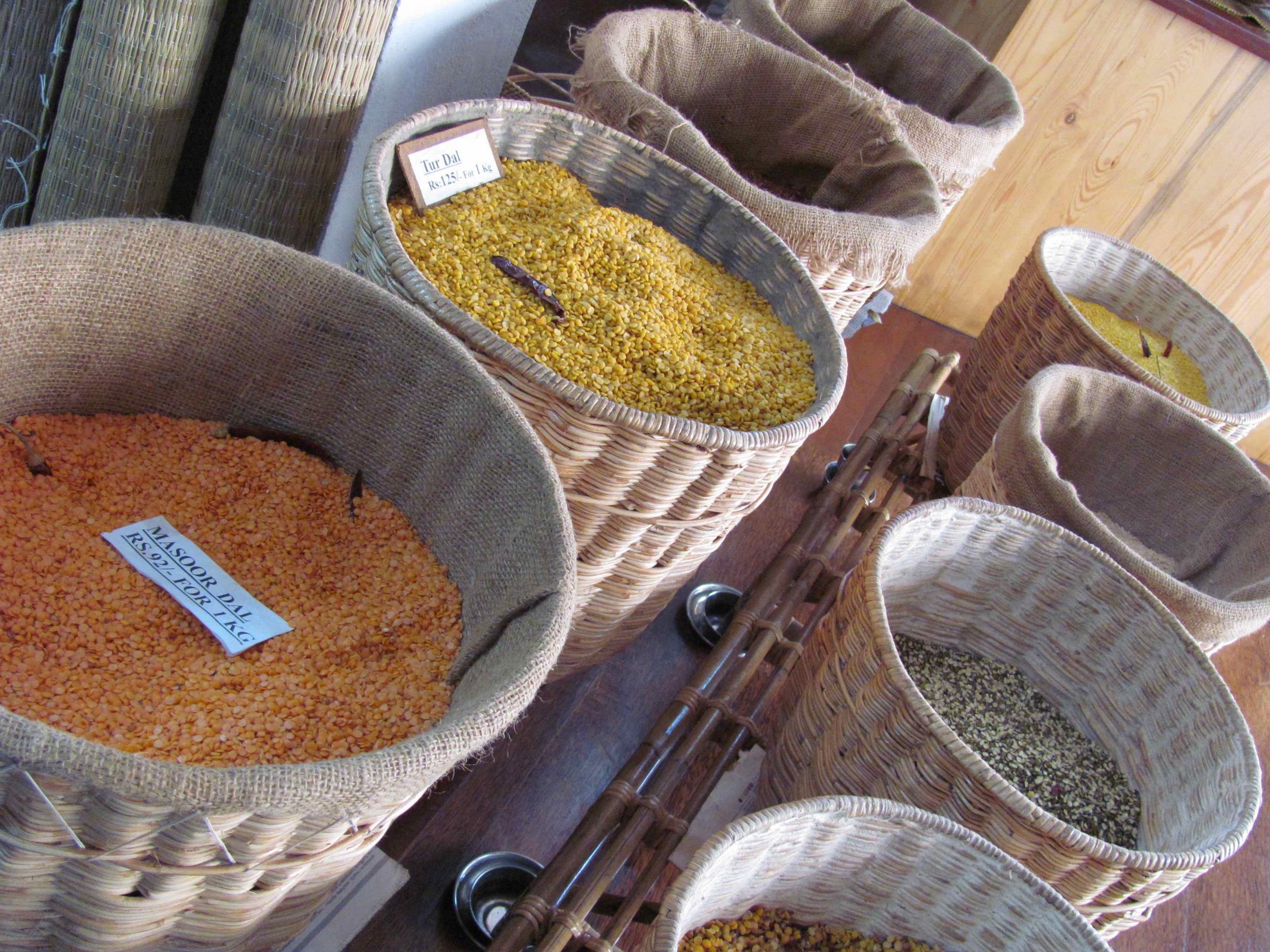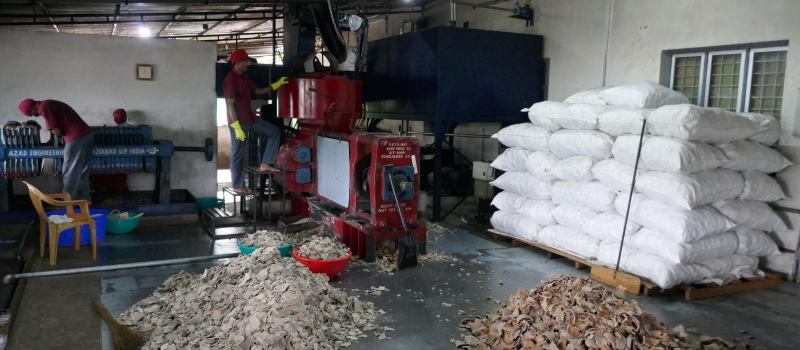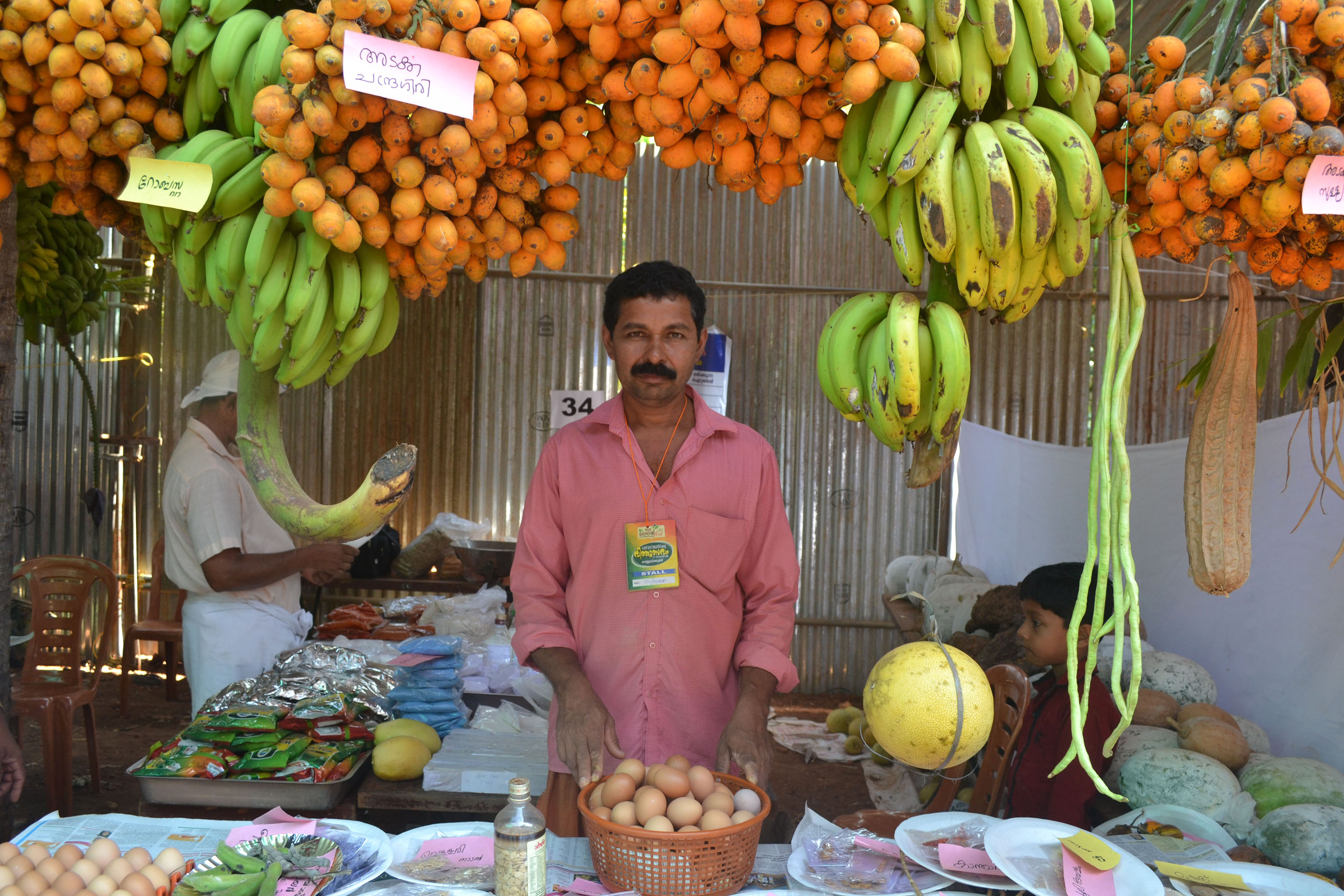
- Elements Organic Virgin Coconut oil is extracted from mature, farm fresh coconuts by wet milling
- Contains Anti-Oxidants, Vitamin E and Lauric acid
- Vitamin E is key to immunity, a healthy heart and nourishment of skin
- Every elements product is sourced on fair trade terms from member farmers of Fair Trade Alliance Kerala.
All posts by elements
- Completely free from any kind of artificial additives, chemicals and preservatives.
- Oil is filtered, not refined, helping to retain the natural properties of coconut oil.
- Packed in glass bottles – protecting consumers from the risk of exposure to phthalates and other harmful chemicals present in plastic bottles.

Dear Friends and well wishers of Fair Trade Alliance Kerala,
With the conclusion of SeedFest 2019, we thought it important to give you a brief up date about the progress on our Rebuilding Sugandhagiri programme, to which you have all contributed in significant ways. So here is the story in brief:
Post Flood immediate relief:
– Cash solacium to families in relief camps
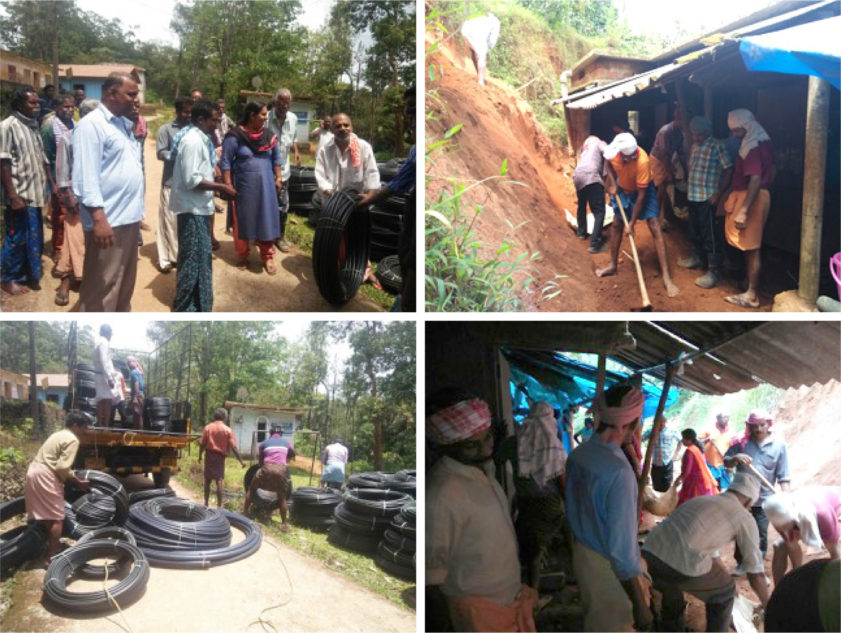
– Clearing of accumulated debris from houses – FTAK members from all the four districts converged on to Sugandhagiri and undertook clearing work.
– Supply of pipelines for drinking water. 10 km long pipelines were bought and supplied – all the FTAK members in Sugandhagiri now have clean drinking water reaching their homes.

Resource mobilisation:
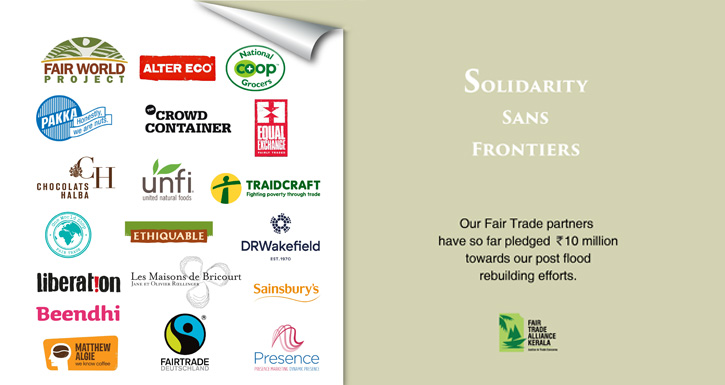
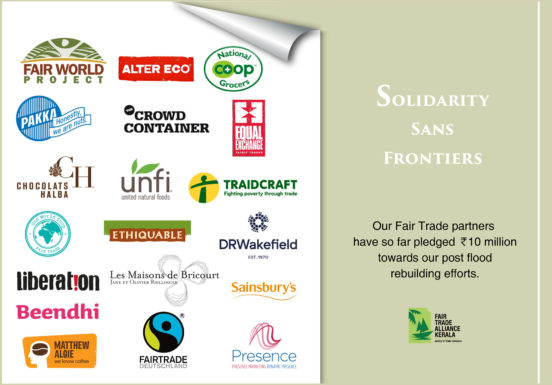
Our appeal for contributions to our rebuilding efforts received overwhelming response from our customers, well wishers and friends. The following organisations made significant contributions. Coupled with individual donations and own contributions from FTAK you have helped mop up INR 10 million to our rebuilding efforts. Not all this money is in. We have some campaigns that are still being mopped up and some part of the money still being transferred, But we believe when all is done, we should be able to account for receipts worth INR 1 crore, i.e 10 million. In USD terms this works out to: 140000/- Thank you every one.

How will your money be spend?
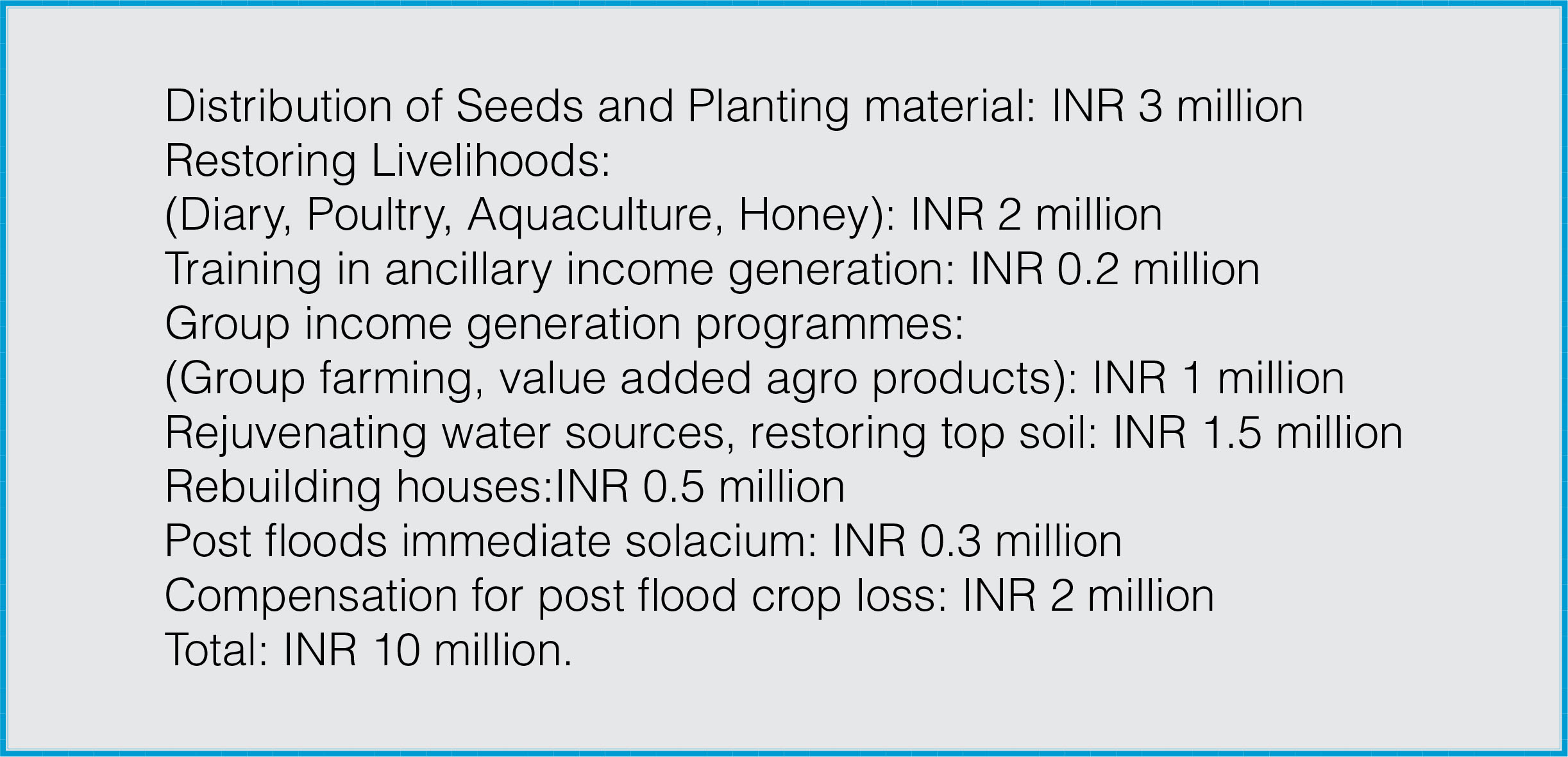
Reality is, we have been shifting goal posts, and not infrequently. This has had to do with calibrating our rebuilding efforts to the flood relief measures, both medium term and short term by the government. Thus, allocation for rebuilding houses has been restricted to just a handful of cases whom the government bypassed for legal or technical reasons. Similarly, against the initial spurt in flood relief material, we shifted focus almost entirely to rebuilding farms and restoring livelihoods. The final list of allocations announced at the seed festival looks something like this:

What has happened so far?
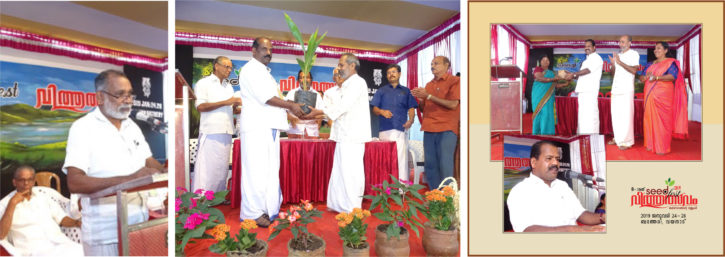
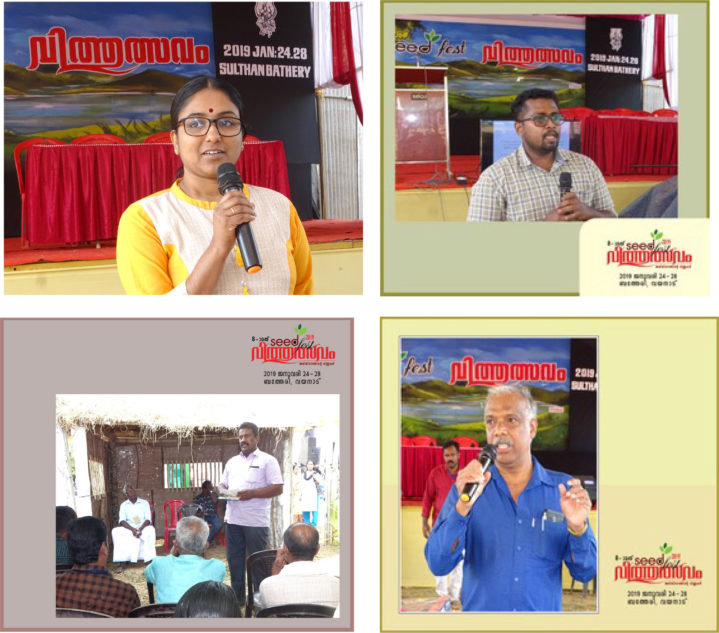
The seed festival saw the formal launch of the post flood rebuilding efforts. As you might recall, the Seed Festival 2019 was themed Seeds of Survival. Member of the Local Self Government and Member of the Legislative Assembly, Mr. Shadevan and IC Balakrishnan MLA, respectively, formally launched the rebuilding programme at the Seed Festival. FTAK General Secretary, Thomas Kalappura presented the account of the receipts from the appeal for Rebuilding Sugandhagiri and the plans and budget for utilisation of the amount generated.

Seven workshops and an agriclinic were held on the sidelines of the Seed Festival, focused on climate resilient agriculture, flood mitigation measures and ancillary income generation. Climate resilient pepper and coffee growing practices, Seeds that withstand climate change and on farm bio diversity to mitigate the impact of climate change were the subjects for the workshops related to on farm practices. The use of geo textiles (made of coir) to arrest soil erosion and rebuild top soil was a workshop that had immediate practical import for the rebuilding efforts.

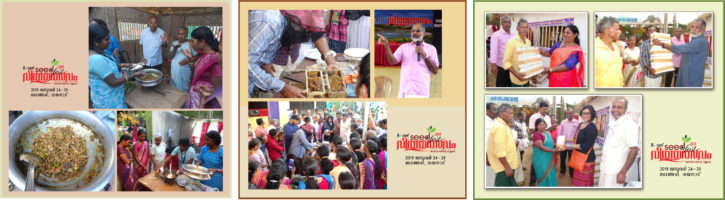
On farm fruit processing for preservation and value addition with on hand training received enthusiastic response. The training that received maximum response was on speciality bee keeping – the bee keeping and honey extraction methods of the medicinal bee variety, “cheruthen” was explained in detail. And the end of the workshop the participants left with the first set of live beehives to their homes.

Agriclinic:
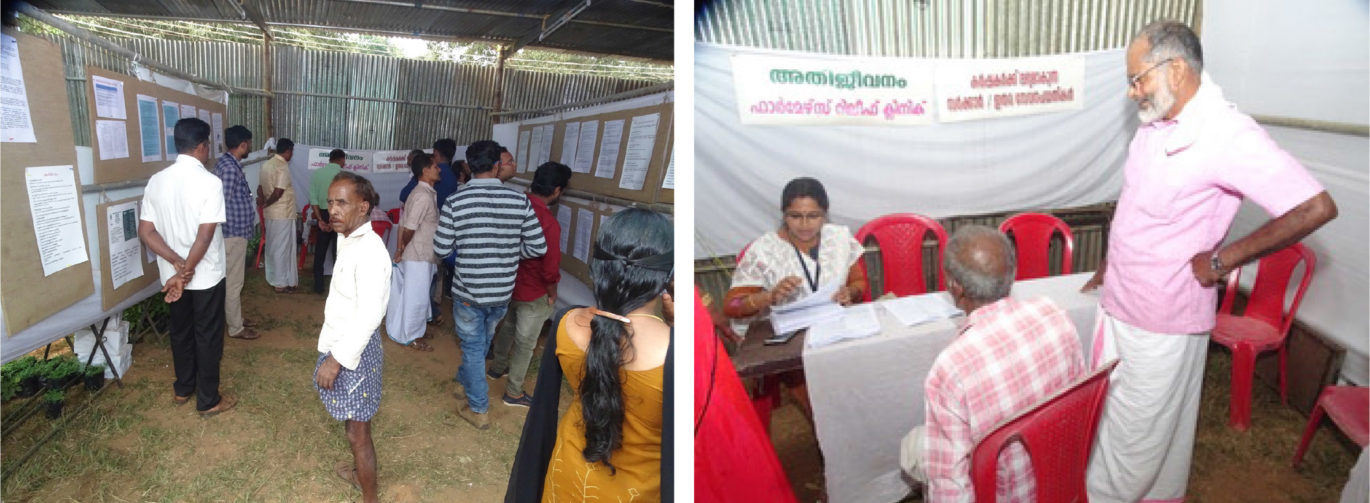
The seed festival this year saw a dedicated stall where farmers could gather information on all the different schemes, facilities, loans, subsidies, incentives that were on offer to farmers under various governmental and semi governmental agencies. The department of Agriculture deputed their personnel to the stall to explain the various schemes and clarify doubts of the farmers.

Gift Counter / Seedling distribution:
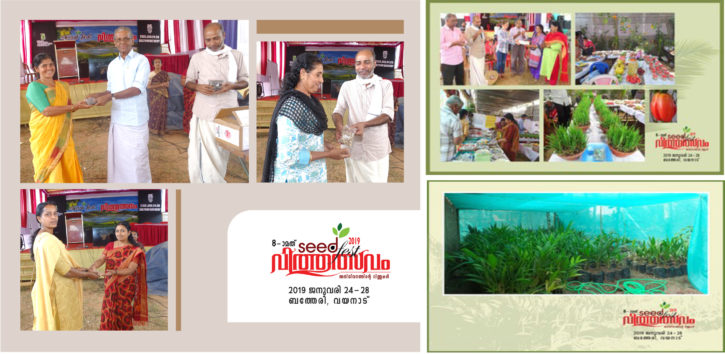
A highlight of the Seed Festival this year was the decision of FTAK districts committees in Kannur, Kasargode and Kozhikode to donate 10 per cent of all the seeds that they bring to the SeedFestival to Wayanad farmers, the worst affected due to the floods. Annadana Seed Savers from Bangalore who could not attend the SeedFestival ensured that they send large quantity of seeds through friends from Banglaore attending the event. These and the first instalment of seedlings were distributed to the farmers at the conclusion of the seed festival. But the majority of the saplings will be distributed only just ahead of the monsoons, the planting time in Kerala.

Further on:
The identification of farmers entitled to relief assistance is complete, save another round of fine tuning. The release of assistance will take place in the coming months and is expected to be completed by June 2019. There are some activities that will conitinue in to the year – soil restoration, assistance for initiatives in value added products, group farming initiatives, etc.
We thank you all for the efforts made to reach out to us during and in the aftermath of the floods. We will provide you periodic reports about how your solidarity gesture is bearing results in the fields.
Warmest regards,
Tomy Mathew
Promoter – Fair Trade Alliance Kerala
I was an extremely annoying MPhil student at Sussex’s Institute of Development Studies in Sussex in the early 1980s, constantly challenging the academics, questioning the point of their theories and complex analyses. I kept hearing about this elusive tutor Robin Murray who was away, advising the then leader of the Greater London Council, Ken Livingstone on the creation of an alternative economy. I was intrigued. And when Robin breezed into our classrooms, with his shock of hair and bright smile, I was immediately entranced. Here was a man with a brain the size of Britain, combined with charming humility and a talent for spinning witty yarns about his experiences about trying to create alternatives. All of us students – and plenty of fellow teachers – were so inspired by his energetic commitments to social justice. He was always ready to admit all that went wrong when they tried to put perfect policies into messy practice. And he was always inspiring others with the examples of those initiatives that did work.
One initiative Robin backed was Fairtrade. The early attempts were not too successful. He could make you cry with laughter about the rocking chairs they imported from the struggling revolutionary Nicaragua – which all arrived in pieces leaving poor volunteers to hammer them together in a North London basement, and which could never compete with the high street. Or the hairbrushes made of cactus spikes – which strangely didn’t sell too well. Or the containers of oranges they tried to import from socialist Mozambique, but which rotted in the port due to delays in customs procedures.
But none of these disasters deterred the early pioneers, determined to create a fairer way of conducting international trade. In the end, they created TWIN Trading and a family of Faritrade companies including Cafedirect, Divine, Liberation, Agrofair UK, who have gone on to prove that you can indeed combine commercial success with values of equity.
As I finished my MPhil, Robin generously gave me my first work researching the Cyprus economy, with an eye to alternatives to the mainstream market. I had no idea what I was doing, but Robin was always encouraging young people, always making you feel that you were good at what you did – which I realise now is absolutely down to his skill. Years later, I was campaigning for global rules to control multinational companies. So I met Robin in a run-down café near Old Street, long before it was trendy, to pick his brains. Robin listened carefully and shared his insights. And then he explained that he was coming at the problem from another angle; that in Fairtrade, people were trying to create a bubble within global trade, in which we could show that you can do trade differently – that you can put people first and still succeed. I can see him now, sitting at the grubby Formica table, cupping his hands into that bubble. That image stayed in my mind for years.
Until a job came up to see through the nascent and troubled Fairtrade banana! Fairtrade had proved that it could work in coffee, and the challenge was to apply that same logic to fresh fruit. Remembering Robin’s words, I took the job. And Fairtrade took over my life for 16 years. It was always complicated and messy and difficult. And it was always a pleasure, in all Fairtrade’s ups and downs, to meet with Robin, and chew the cud – because he always kept the right perspective on issues.
The last time I saw him, at a Fairtrade gathering, he was tanned and bubbling over about his recent exploits advising the Greek Government on how to stand up to the global financial institutions. It took him back to the days to Latin American resistance to the structural adjustment policies of the IMF and World Bank. I will miss Robin so very much, and I know how many others feel just the same.

Strongly believing in diversity, around 5000 farmers in Kerala have been preserving and nurturing seed diversity, over years. Exchanging and conserving not only seeds but also knowledge associated with it during their annual seed festivals, these 5000 farming families along with their collectives, are making an investment in the sustainability of agriculture and life on this planet.
With the increasing alienation from soil and life processes that we experience today, our thoughts and forms of living have become increasingly abstract, diminishing our capacity to engage with the immediate and physical. It is almost absurd: what is alienated and abstracted have come to feel immediate and real for us, dishonoring the real processes that sustain our life. Only a true engagement with soil and the ones who work with it and help sustain our bodies, can allow all other works that we do today, to become whole and complete.
With sustaining efforts of FTAK (Fair Trade Alliance Kerala), about twenty five thousand people from four northern districts of Kerala, (Kozhikode, Kannur, Wayanad, Kasargod) for the last twelve years have been procuring, preserving and exchanging all sorts of seeds, planting material, indigenous livestock, medicinal plants, indigenous and wild trees, and other living things in a focused and sustained manner.
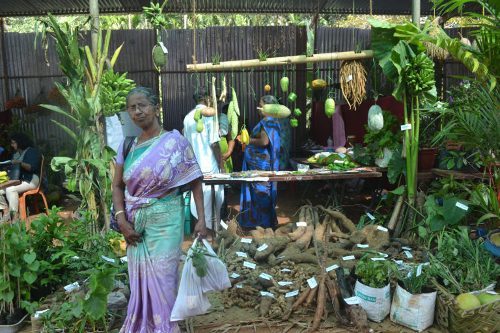
Born at the peak of the agrarian crises in Kerala, FTAK was formed in 2005 by Tomy Mathew of Kerala’s oldest organic store, Elements in Kozhikode. The 300 families from Wayanad who were its first members initially were looking to increase market access for their farm produce and to negotiate better prices to ensure trade justice. The dignity of farmers was at the center of the collective. Now under its umbrella over 5000 families, adding up to about 25000 people, have made a mark in the hilly tracts of Malabar, by its pioneering efforts at fair market access for the hill produces of Kerala. The organization has been a trendsetter in procuring agricultural commodities like cashew, coffee, spices, coconut etc., from its members, at prices that match the cost of sustainable production.
The organization initially focused on remunerative prices and fair market access. Today the organization has managed to build on this and become a force in sustainable and organic farming practices, rejecting monocropping for biodiversity. It is thumping a finger at terminator technology. They are recapturing seeds for the public good. At another level, it is bringing the focus back on food sovereignty. The aim is to make each member’s farm a miniature rain forest with a multitude of fauna and flora, typical for the western ghats region, now a declared protected biosphere.
FTAK has become valuable as an institution for its members, not only for marketing their products for fair prices but also providing mid- and long-range proposals on how to improve their livelihoods and lives on a very regional and pragmatic way, with a strong democratic process.
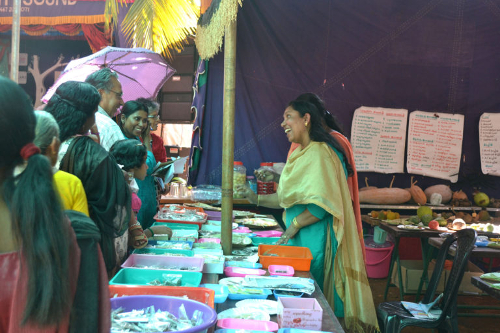
Seed festival – a gathering of custodians of seeds
In this context, FTAK’s seed festival is moving and reassuring. It pulses with hope for the future. It seeks to enliven both the functional and symbolic spirit of the land and community. Its participants present a vision of life as abundance – an abundance of life. Not a wasteful or accumulative affluence, but satiation and sharing, where we remember and learn again from teachers who have come to us in different forms – soil, rain, trees, plants, birds, animals and elements, and from each other as a community. The farms and the venue of the seed festivals become a place for sharing experience and knowledge related to preservation and propagation of indigenous seeds.
We are living in a time witnessing an increasing aggression in our lives, fueled by obscure and abstract institutionalized forms of faith. Paradoxically, the innate and transcending nature of these faiths are being repressed and predictably producing seeds of threats and hatred. But in the seed festival, along with the preservation of life-sustaining seeds, the important values of caring, nurturing, preserving and sharing are also nurtured. So to my mind, it is not just about preserving seeds, it is about who is preserving them and how. It is often the people at the margins and the vulnerable are the ones who preserve many of the transcending visions, breathing them into the daily life. An observation from a visitor who took many rounds and spoke with each stall said, “What we get to see in the stalls are not just seeds but also the spirit of dedicated collectives. The seeds reflects their labor of love. Hence they spoke from their hearts. It expressed the dignity of their work, the beauty of the togetherness, confidence and contentment. They see the work as their contribution to the coming generation.”
If you went to view the exhibition the way we visit other shows, we would miss the meaning. Around sixty stalls all display seeds with extraordinary diversity, over 6000 of them: ordinary, extraordinary, unique, nearly extinct and common – all are there. Around 200 varieties of rice, one hundred and fifty kinds of beans (payaru), many kinds of brinjal, chilies, pepper, yams, spinach, tubers, fruits, nuts, medicinal plants, engendered livestock, all make a testimony. These are presented by those who have cared to keep them alive. Not just alive, but thriving with health and purity. As faith communities fight over issues of purity, here these humble farmers with urgency and mindfulness, with open eyes and hands, work in the soil to maintain its moisture, micro-organisms, air, warmth and all that is necessary for a seed to sprout, grow, and blossom to give healthy seeds again, year after year. That way they hope that along with all these rich diverse and interdependent forms of vegetation and other forms of life, our life too would regain health and sanity. One visitor said, “Their understanding of the holistic nature of farming was most erudite… I felt that if these were the women farmers, then there was vast wealth of potential trainers and resource persons inside the organization.” What is important is that most of the people who come to visit the seed festival are also keen to care for life and committed to learn the nurturing of it. So it is the place for the gathering of minds to share their seeds and the knowledge of preservation that to my mind is doing a duty that is sacramental. Because it is the true work for our times, an investment in the continuity of agriculture and the life on this soil.
If one visits any of the farms, half-acre to three-acre plots, one would see multiple crops like coffee, spices, coconuts, fruits and vegetables all on one farm and growing amidst each other. From the tubers underground to the tallest coconut trees, from the soil to the sky, many, many varieties of food and cash crops. A farm looks more like a very large tropical allotment. Here with the involvement of over 5000 farming families, with their collectives, we see the largest indigenous seed preservation effort in the western ghats of India. The focus of the seed fest now is on seed sovereignty, vittu swaraj.
Today each collective has become a seed bank. A seed keeper from a collective says, “Today, I do not even need to buy groceries, except for sugar, salt and tea. Everything is in my farm or the neighbors.” Seeds that were only with one person at the beginning of the seed festivals are now with many. When the farmers speak, we can hear how these seeds are cared for with personal attention. “All is done with our own hand … this needs to be experienced personally,” they say. If a visitor is not alert enough to the alertness of the seed keeper, he would miss this bodily connection she is whispering, the secret of Life.
Thich Nhat Hanh said once that “if you are a poet you will clearly see that there is cloud floating in this sheet of paper. Without a cloud there will be no rain, without rain, no trees and without trees, no paper.” If we take a moment to see the story in reverse, we will get to see the poems in the clouds and not need to write them on paper. So that the trees, rain and clouds all would return. These seed keepers see the poems in the soil and the seeds. It is the poetry of bodily connection, celebrating life.
The seeds stay together knowing each other
In keeping with the spirit of this mindful preoccupation, the fest itself is different from the exhibitions that we normally get to see. At a time when our tastes, without even our own knowing, are defined by the studio aesthetics of corporate world, the seed fest defies all that smartness. All who come there are part of one caring. The event carries the sensibility of land, done without event managers, PR agencies and media hype. A true farmer knows what is necessary, what is wasteful and how something is made functional. So it is not an exhibition for an alienated consumption, but reminds us of our own simple taste and shows us possibilities of how one can be light. It shows our own forgotten ways of togetherness, and how one can go beyond the financially-driven economy and participate in a social economy.
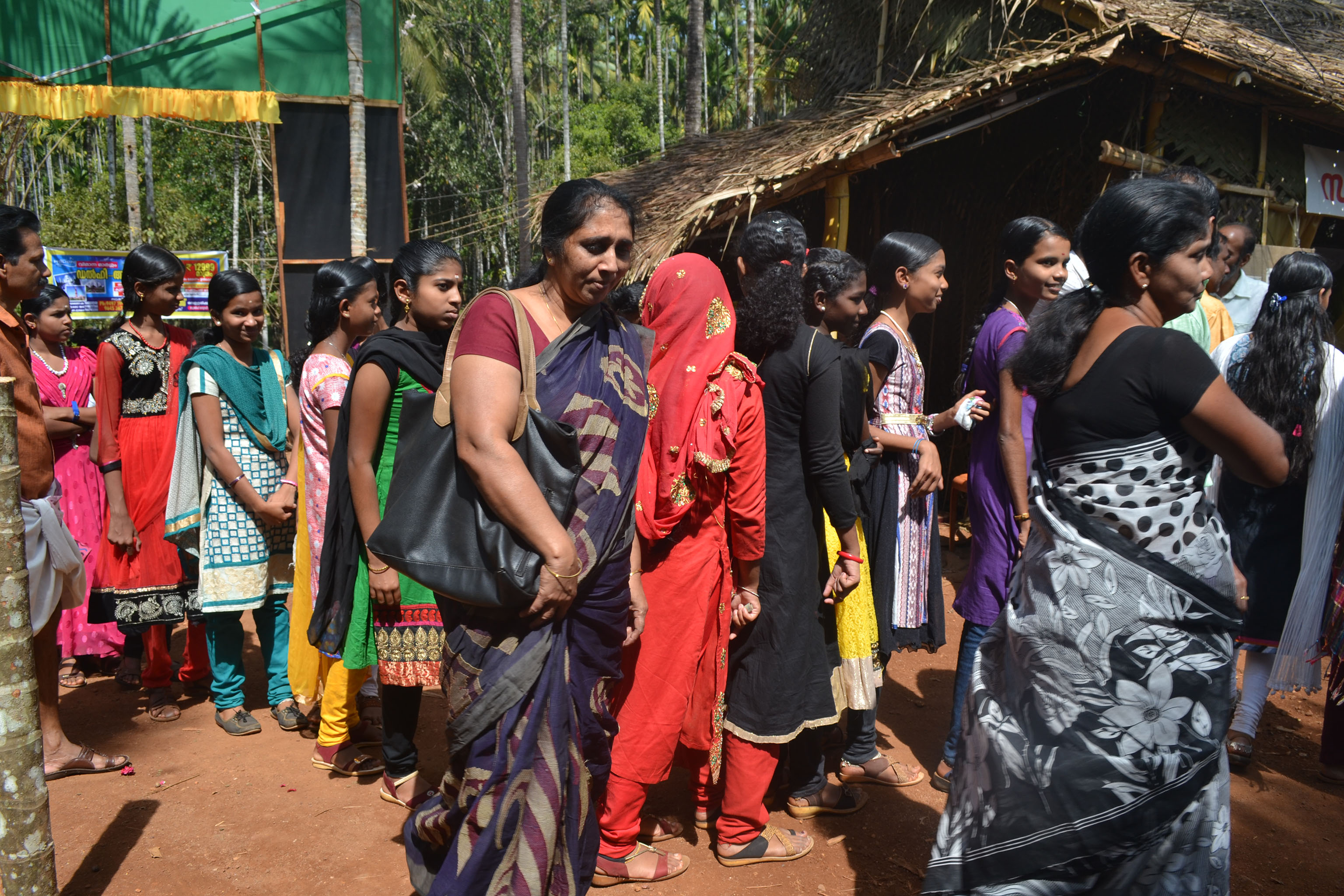
Conscious consumers
Sections of people today are becoming more sensitive to the effects of their consumer behavior and are increasingly trying to avoid a negative impact in the upstream value chain by making an educated choice. It is time for a conscious consumer to understand the real value of the produce they take away at a bargain.
Fair trade as a concept recognizes the skewed market and tries to appeal to the buyer’s sense of justice. It rests on the principle of consumers supporting producers directly and a willingness to pay more than the conventional market price in exchange for healthier products. As a visitor says, “FTAK’s effort is at the very heart of the struggle between a sustainable food system centered on the work and knowledge of small farmers, and an unsustainable industrialized food system dominated by a handful of multinational corporations.”
In a social as against a financially-driven economy, new ideas spread not by creating large corporations, but by the rich examples of forms that are smaller and in human scale. They inspire others and spread like seeds from a pod. FTAK in its short life has been just such an inspiration.
The original article shall be read here:Agriculture – a life of inter-connectedness

Ruchi Marshal writes about the Fair Trade movement and its role in promoting ethical consumerism.
Going organic is the new conscientious cool. Products with rustic packaging, tagged as ‘Fair Trade Certified’ have probably caught your eye, usually spotted on handicrafts, coffee, cocoa, tea, honey, spices, even gold. The concept is slowly picking up within the Indian market, but could do with wider embrace.
The movement started about three decades ago when a handful of Dutch pioneers and Mexican coffee farmers demanded a fair price for their produce. It has since inspired innumerable farmers, producers and artisans worldwide, to fight for their rightful dignity.
In India, the agricultural scenario is plagued by mounting debt from exorbitant seed prices, increasing costs of production, an absence of farmers’ land rights, and unstable market prices. This has resulted in farmer suicides and inhuman work conditions: over 3,00,000 farmers have committed suicide in India since 1995. That’s nearly one farmer death every 30 minutes. As a result, most farmers have had to resort to contractual work with large agri-businesses, or accept menial jobs with unfair working conditions.
WHAT DOES FAIR TRADE MEAN?
When a consumer buys products featuring the fair trade logo, it means that the producers and traders have met the fair trade standards, designed to provide farmers a sustainable livelihood, while also protecting the environment.
Fair trade as a concept, upholds safe and hygienic working conditions for employees, the prohibition of forced/child labour, the promotion of gender equality, and accountability of all stakeholders, with respect for environmental practices, and social welfare for marginalised communities. The premium paid by a customer for a fair-trade-certified product goes directly to the employees, who collectively invest them in healthcare, children’s welfare, women’s leadership initiatives and finance programs to ensure a more secure future.
In India, there are approximately 1,40,000 workers and farmers, working with about 80 fair trade certified producer organisations. In India, women workers form 55% of the workforce on fair trade certified plantations. As India’s middle class enjoys a larger disposable income, the fair trade movement is now shifting its focus to selling Indian-made fair trade products locally. Fair Trade Forum-India (FTF-I), the National Network for Fair Trade in India and Fair Trade USA are a few organisations that offer fair-trade certifications in India.
Tomy Mathews, co-founder of the FairTrade Alliance Kerala, explains it simply. “Responsible consumerism should focus on converting India’s 300 million middle class (equivalent to Europe’s population – also the primary destination for the fair trade products), to pay their dues to the largest manpower base of our economy — the farmers — by paying a fair price for their food.”
DOES ORGANIC MEAN FAIR TRADE?
Consumers don’t need to choose between organic and fair trade certified products, as they have overlapping attributes. Organic certified products conserve our environmental resources, keeping health and nutrition front and centre. Fair-trade certified products help those who feed us — help them earn the best price for their products, improve their quality of life, and have access to basic human rights. It also calls for maintaining environmentally friendly standards of production.
WHY SHOULD BRANDS SUPPORT FAIR TRADE?
Paperboat’s (Hector Beverages) fair trade certified chikki is a well-known fair trade certified food product. The company’s CEO, Neeraj Kakkar, saw fair trade certification as a natural step that put into practice his beliefs in farmers’ rights and environmental sustainability. The chikki’s main ingredient, peanuts, were sourced from a farmers’ collective in Rapar and Dhrangadhra (Gujarat). Fairtrade India’s CEO, Abhishek Jani says, “They were the main farmers’ organisation that enabled Paper Boat to fulfil their fair trade sourcing commitment of about 250 tonnes of peanuts late last year, and the farmers’ collective will be receiving a fair trade Premium of USD 110, for every metric tonne, over and above the market price. Sensitising brands about the impact of their decisions on markets, farmers/producers and the environment, can make a big difference.” Organic India, Makaibari Tea, Oothu Tea, Montevio Tea, Trubio Spices, PDS Organic Spices, Last Forests’s fair-trade certified spices, are some of the other fair-trade certified brands you can look out for.
It typically takes about 4 to 6 months for a medium-scaled registered organisation to get fair-trade certified, at a cost ranging from 1.5 lakhs to 3 lakhs, depending on the number of farmers/producers involved in the organization. It also depends on how many additional entities the organisation relies on, and the degrees of change it needs to fulfil the criteria of the certification standards. Looking forward to getting certified, Vijay Byrsat, who is the proprietor of Meghalaya-based, organically-sourced honey, Bee Natural, says, “Given that it is a premium product that is already doing well in the European market, we hope that getting fair trade certified gives us an edge over our local competitors.”
THE BURDEN OF ETHICS
Conscious consumers and environmentalists believe that the burden of fair trade/organic certifications borne by the farmers/producers, should be shifted by taxing those using commercial practices (pesticides/chemicals), via reforming policies. Rudra Chatterjee, Director of Makaibari tea, opines, “Taxing discourages misuse. Our brand is naturally organic and practices fair-trade concepts since its inception, even before being certified. Our partnerships are genuinely invested in our employees’ wellbeing. Cultural practices upholding dignity of labour, directly contributing to social well-being of marginalised communities, environmental conservation and building awareness on these values, is the need of the hour.”
Jani adds, “We suggest certification only if the farmer organisations are getting more benefits or fair trade sales or a fair trade premium, than their costs of certification and investment in sustainability practices. The certification is not an end in itself, but a tool to address the socio-economic issues, via capacity-building, training programmes and annual quality audits.”
WHERE IS YOUR RUPEE GOING?
Consumers need to understand why they are paying a premium of 10-20% for fair trade products. Jani explains: “Ever thought about how every purchase is a political decision? It endorses how resources are split across labour and capital, and how the environment is treated.”
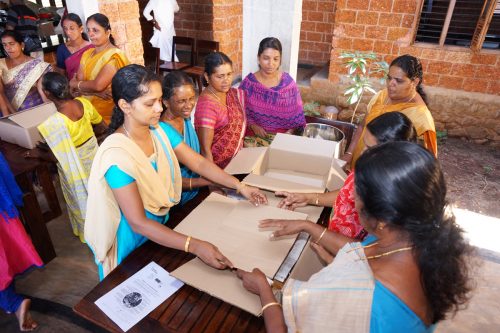
While the fair trade movement in India currently hinges on awareness, advocacy and the goodwill of ethically conscious consumers, farmers are combining this concept with their belief in food and seed sovereignty. In the words of Anna Lappe, an expert on food systems and an advocate of sustainable food, “Every time you spend money, you’re casting a vote for the kind of world you want.”
So what kind of a world are you paying for?
For original article, Click here: A Fair Trade

With the Asian Elephant suffering so much hardship through persecution where it feeds and massive losses of its natural habitat, it’s great to hear that Harry’s Nuts! Are grown so responsibly that they are benefiting both the elephants and the farmers.
Harry’s Nuts are the delicious salted nut snack from Harry Hill, and have been declared as being Elephant friendly thanks to the work of the Cashew nut farmers in India who are working so hard to protect the endangered species.
These snacks are available from Waitrose, Sainsburys and many other outlets and with every munch you take of a Cashew nut you are giving the environment a boost too.
The cashew farmers have used some of the extra money which comes with Fairtrade to protect wild Indian elephants which had been trespassing on their farms from the local forests. Farmers had found trees they had been growing for twenty years felled by the power of these elephants. Wanting to protect their crops, farmers often fought back, risking both injury to themselves and the elephants.
The farming organisation Fair Trade Alliance Kerala (FTAK) decided the farmers, their trees and the elephants needed to be protected and studied ways of keeping the animals at bay without hurting them. FTAK came up with the idea of investing the Fairtrade premium on solar panels to power electrified fencing around the farms. This provides a very mild shock.
“The shock deters but does not injure the elephants, so these cashews are now elephant-friendly,”
explains FTAK’s Tony Mathews. Dan Bucknell, Head of Conservation and Campaigns of the charity
Elephant Family, says: “With the Asian elephant suffering from massive habitat loss and persecution where it feeds on crops, it is refreshing that Harry’s Nuts! are grown in such a responsible way that works for both the farmers and the elephants.”
The 3,200 cashew nut farmers are all part of an organic conversion programme and 45% of them have
already achieved this certification. Organic methods are seen by the farmers as the best way of
protecting their crops while protecting biodiversity.
The farmers are operating in a ‘biosphere’ of exceptional biodiversity and take protecting this
environment extremely seriously. There is also a focus on replanting indigenous breeds of cashew trees which produce a better crop.
The farmers were also concerned that an indigenous breed of goat, the ‘Malabari’, was becoming
extinct – a breed which has far greater immunity to disease than crossbreeds, eats less fodder and is much cheaper to rear for milk and meat. They have started a breeding programme which sees a farmerbeing given a male and female goat and then passing on the offspring to another farmer.
Harry Hill works with Fairtrade nut company Liberation Foods on Harry’s Nuts!, currently available in two varieties – salted peanuts and salted cashews. Liberation’s biggest shareholder is a co-operative of nut farming and gathering organisations including FTAK. Managing Director Kate Gaskell says: “All of the nuts in Harry’s Nuts! are transported to the UK by sea – the most environmentally friendly form of long haul transport. Everything we do in our business reveals a respect for the environment as well as the farmer.” Fairtrade has strict environmental criteria though it is, of course, best known for the fair prices it guarantees to farmers.
Harry’s Nuts! are popular for their taste – they are cooked for longer than other salted peanuts and cashews to give them an extra crunchiness and deeper flavour. They have been backed by celebrity food writer Sophie Grigson who says: “The peanuts have a very appealing creamy texture and a delicious sweet, rounded flavour enhanced by just the right degree of salt.”
Harry launched the products after travelling to Malawi and meeting some of the peanut farmers, many of whom are women looking after Aids orphans. He heard that the benefits which come with Fairtrade are a huge help to them.
Harry, a big peanut lover, says: “These Fairtrade salted nuts are an extra tasty version of my favourite snack and there’s no money in it for me (what a mug!). I’m working with Liberation and it’s great that the company is run to benefit the farmers and their families.”
Original article shall be read here: Harry’s nuts! decreed to be Elephant friendly
I come from the South Indian state of Kerala. Yes, Vasco da Gama of Portugal landed on our shores – in fact, on the shores of the very town in which I live – over 500 years ago and heralded the advent of colonialism. He came in search of spices, particularly Malabar pepper. But this might be news to you: from the 15th century through most of the 19th century, the Malabar region of India did not actually cultivate pepper. Our predecessors instead collected and gathered pepper. Pepper vines thrived wild in the homestead farms of the Malabar region, along with probably a hundred other crops which had nutritional, therapeutic and nutraceutical values.
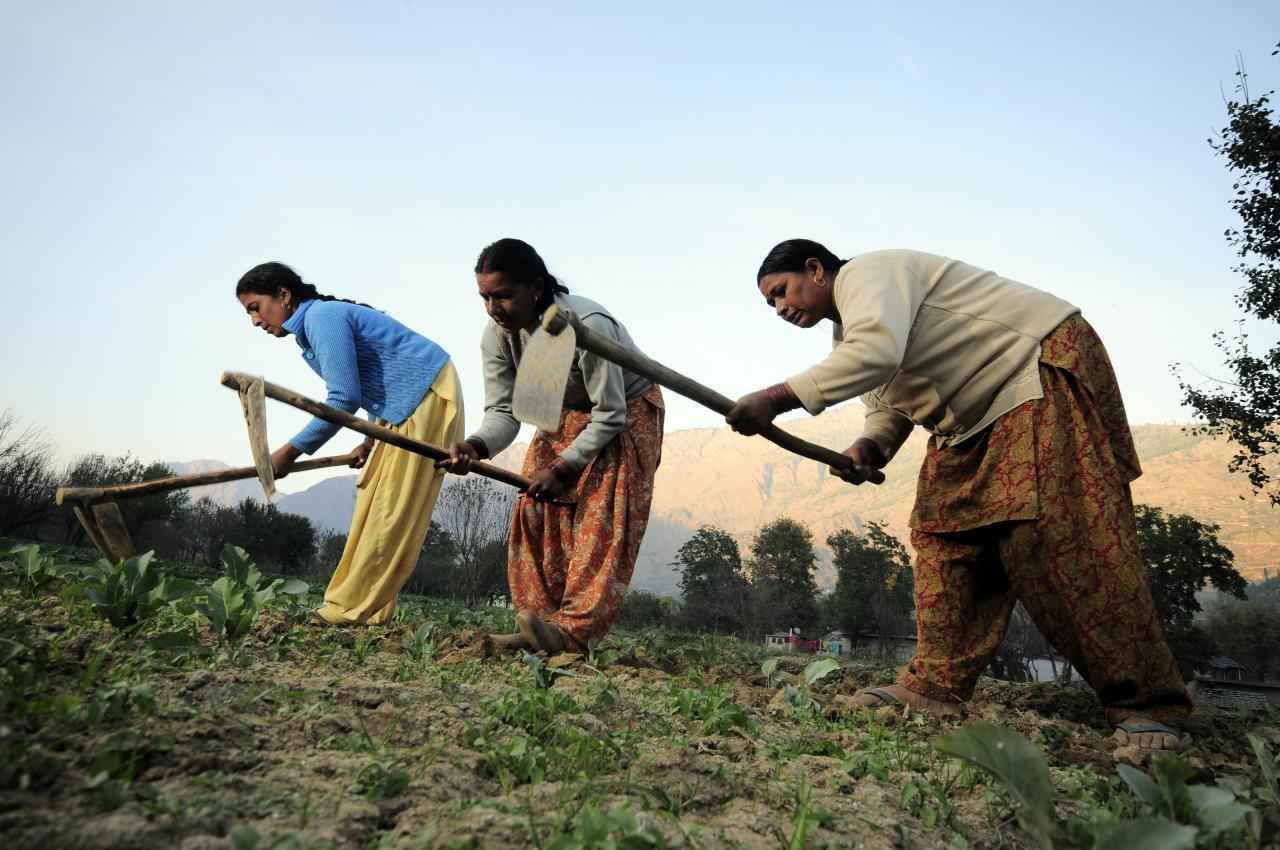
A homestead farm in Kerala was a veritable forest farm. It would appear disorganized, not favoring assembly-line economies of scale and production, and not amenable to organized and efficient methods of fertilizing, irrigating and harvesting. The fact is, it was actually a nuanced, evolved and intricately engineered system whose nerve center was the family kitchen. And the matriarch, the woman, for the most part decided what grew on the farms, what was needed for the daily kitchen, what was to be stored for the rainy days, what was to be shared with neighbors, what was to be fed to animals, and what, if anything remained, the men could take to the market and sell. This is what once characterized farming in Kerala, but it is now a thing of the past.
The spoiler: the market! Actually, the modern market, as we know it today – that which demands quality and quantity not dictated by nutritional needs, environmental balance or the food security of families and communities. And so, suddenly, the power equations within the homestead changed completely. Now, the matriarch has little say in the affairs of the farm. The market dictates, and men mediate with the market. Notions of value and usefulness have changed. Hundreds of trees, shrubs and medicinal plants that once thrived as wild growth are no longer valuable; instead, they have become a hindrance to an orderly, efficient farm that needs to cater to the market. The food basket has changed, too. Wild food has disappeared completely. Tubers have diminished. Fruit trees have dwindled.
Today, Fair Trade Alliance Kerala (FTAK), the small-farmer collective I work for, is involved in an effort to recapture the homestead farming traditions of Kerala. It is a small dream. Our goal is to grow to a collective of about 10,000 small-farmers over the next couple of years. Small-farmers in Kerala have really small holdings, about 3-4 acres on average. So that small dream means about 10,000 farming families stewarding about 40,000 acres of farmland, creating conditions that are akin to a tropical rainforest in crop diversity and biodiversity.

In the process, we are committed to becoming net food suppliers – and by “food” we mean not coffee, pepper or cashews that we grow for distant markets, but “food on the table,” such as rice, fruits, vegetables and tubers for our own local families and communities. And we expect that women will reassert their traditional role and space in the management of the homestead farming economy. Biodiversity for us, therefore, is a food security issue as well as an issue of gender justice.
What role will the market and trade, particularly international commodity trade, play in this scenario that we strive to engender? Undoubtedly, the massive haulage of commodities across continents is unsustainable for a climate-challenged planet. Food miles and the ecological footprint of our consumption can be ignored only at our own peril. But trade is as much a cultural exchange as it is a commodity exchange, and, albeit in reduced volumes, it is here to stay and desirably so. There is thus the inevitable question: what type of trade must prevail when our planet is in peril?
Well, let me give you a glimpse of the beneficial effect the type of international commodity trade that we practice has on the most formidable challenge confronting humanity today. Our farmers reside in the Western Ghats region of India, and the United Nations recently declared it a World Heritage Site. The environmental sensitivity of farming operations here is critical, not just for us but for the whole world, given the climate-challenged times we live in. A significant portion of our farmlands adjoin tropical rainforests. With the stress that human development has brought on the forests, and with the size and productivity of those forests shrinking rapidly, conflicts between man and animal have grown. What if a marauding troupe of wild elephants get to your farm and destroy what might be the result of thirty or forty years of toil? That is exactly what is happening in several of our farming communities, and yet we almost intrinsically know that farmers and wildlife have to coexist for our environmentally secure future.
FTAK was born in the midst of an unprecedented farming crisis in Kerala created by the plummeting prices of agricultural commodities. One of the first investments we made with the social premium funds secured by selling our products under the fair trade regime was in benign solar-powered fences installed between the forest and many of our farmlands. The fences act as a mild deterrent that keeps the animals within the forests.
The cashew industry refers to large cashew nuts as “jumbo nuts.” But the organic and fair trade cashews that Equal Exchange brings to U.S. consumers, sourced from FTAK, could also claim to be “jumbo nuts” – not based on their size, but instead because they are indeed “elephant-friendly” nuts. That bin of organically-grown and fairly-traded cashews that you come across in your local food cooperative is testimony that global commodity trade in a climate-challenged world can in fact chart a fair and sustainable course.
The original article shall be read here: Fair Trade As We Do It: the Story of Jumbo Nuts
Onam is the national festival of Kerala. Coming after the deprivation of the long monsoons, this is the time of bountiful harvests.
The myth goes something like this:
Once Kerala was ruled by a just king under whom the land prospered, egalitarianism prevailed, honesty and fair dealings underpinned transactions (including commercial – the weights and measures were always correct, the balladeers sing; rudimentary fair trade!). The gods became jealous of this earthly challenge to what was essentially the promise in the other life. So they tricked our king and banished him to the netherworld. But before he went he extracted one wish – to visit his subjects every year. The festival celebrates the annual visit of King Maveli. Onam is our celebration of this egalitarian myth – our collective memory of primitive communism. Pop anthropology hails that the egalitarian underpinnings of the ‘Kerala model of development’ is culturally anchored on this myth.
Some of the previous Onam greetings:


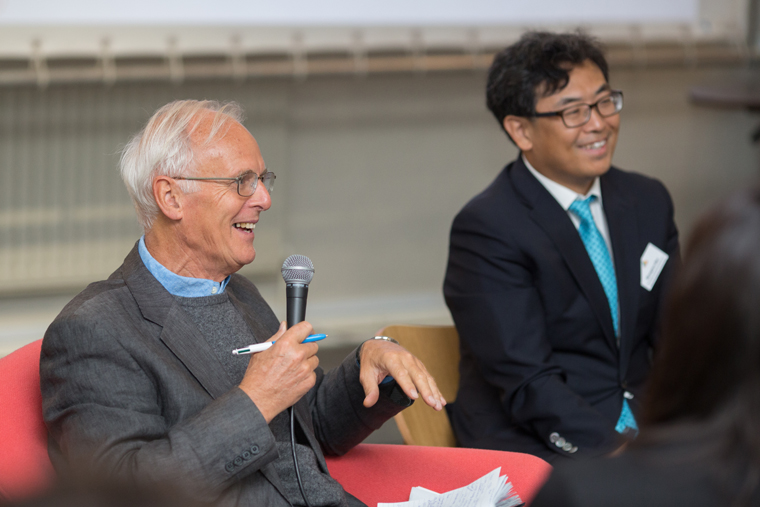
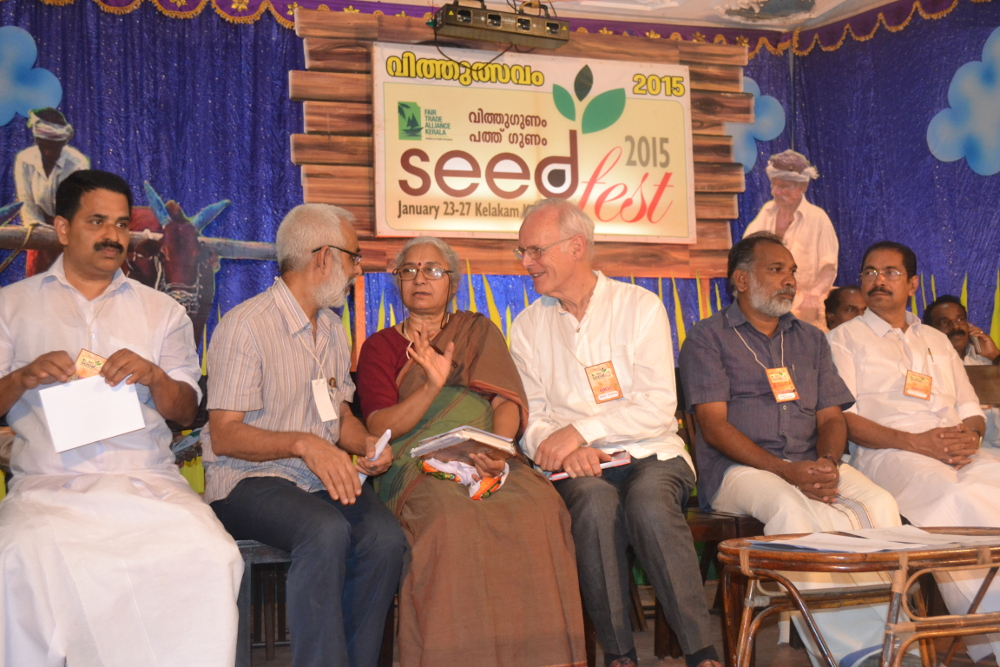
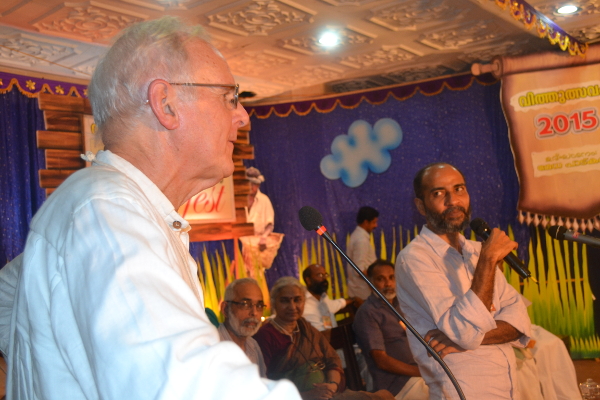
(Robin Murray reminisces about SeedFest 2015 which he visited with his wife Frances. Robin and Frances dug in to scarce personal savings to make the trip to bear witness first hand to what he termed as a precious creation.)
I last came to Kelakem1 in September 2008 for the first annual meeting of Liberation Nuts. That week was decisive in finding a course for our new company to successfully ride out the financial tsunami that followed the collapse of Lehman Brothers only the week before All those who were there – the other nut producers from Malawi, Mozambique, Bolivia, Peru, El Salvador, and those selling the nuts in Britain and other Northern countries – can never forget the wonderful welcome we received from FTAK’s2 farmers and their families at this moment of crisis. Nor the lectures, the dances, the sharing of ideas between fellow farmers across continents, and of course the Kerala curries.
And so when FTAK invited my wife Frances and me to come as guests to the Seed Festival it was the greatest pleasure to return to Kelakem and witness how FTAK has itself grown in depth and richness as well as numbers over those seven years, to visit the new coconut oil factory, the schools and the farms, and then the Festival itself.
To put it in a nutshell, the Festival is a precious creation. I’m not surprised that it is inspiring other regions in India to hold their own festivals for it is at the very heart of the struggle between a sustainable food system centred on the work and knowledge of small farmers, and an unsustainable industrialised food system dominated by a handful of multinational corporations.
The threat that this industrial food system poses to India was a revelation to us. Neither of us who had grown up in the 1950s on small farms, Frances in Uruguay, and me on the English border with Scotland had realised how significant was the battle over seeds. We’d read about it, but not lived it. Our farms reared stock – beef cows and sheep, as well as some chickens and a few pigs. Since then industrial farming has Henry Ford’s principles of mass production plus genetic manipulation to all these animals. Quality has been sacrificed to quantity. They have been drivers of the move to GM feed crops. Their wastes have polluted ground water that has now spread all the way to the oceans. The intolerable stress on the animals themselves has led to widespread use of anti-biotics that have entered the food chain.

Our visit left us with the strong impression that these same industrial principles provide an even greater threat to the centuries old farming ecology of India. The talks at the Festival brought home the consequences of applying the primary condition of industrial food crop production – namely standardisation and predictability – of soils, of seeds, of water, and of farming methods. This has meant the use of artificial fertilisers to counter soil diversity; the construction of dams to feed mass farming’s hunger for water; the use of pesticides to offset the loss of natural ecological balance; and a catastrophic loss of diversity of crops. It substitutes the narrow science of the laboratory for the traditional knowledge of the farmer. And threatens the autonomy of hundreds of millions small farmers with the monopoly of a few multinationals. We have since learned the same 6 multinationals alone control 60% of the world market for fertilisers, pesticides and seeds.
One talk after another at the Festival gave witness to the side effects that the policy architects of this industrial crop production didn’t predict – such as the soil degradation, or the return of pesticide resistant pests and herbicide resistant weeds. Nor did the architects appear to give any weight to the devastating consequences of the dams, the climate change impact of such a carbon intensive food system, or the loss of indigenous knowledge and destruction of communities. It seems as if the scorpion of progress is stinging its own head.
That is the dark side. But the Festival pointed towards such a different future. The farms we visited came over as wonderful examples of agro-ecology in practice and we gathered were typical of FTAK farming traditions more generally. The plants and the trees (even the weeds) were grown to complement each other. They hosted good insects to control the bad. They provided fodder for the cows, and food for the family. Each farmer came over as his or her own expert, at what suited their particular soil and their micro climate. They seemed to be constantly experimenting. It is no wonder that Gandhi said that every village was its own research lab.
What was so striking was the extraordinary diversity. On one two acre plot we counted well over 100 different trees and shrubs. In a sample of 12 stalls at the Festival we counted over 2,000 different plants and seeds. On the Thanima Women’s stand3 there were 190 different kinds of rice (they told us that the seeds for 28,000 varieties of rice have still survived in India, each suited to its own soil and climate). In the cattle pens there were 13 different breeds of traditional cows.
All this richness is entirely lost in the standardisation of industrial farming which can only think in silos: a single crop, (or a single breed) and the quantity it can produce. Not what it needs to sustain production in the long term. It thinks of farming and the soil not as an organic system but as a machine, with the mind set of an engineer, and the possessiveness of a private accumulator.
The FTAK farmers and their families could not have been more different in their spirit of co-operation on which, in evolutionary terms, all successful living systems depend. . No outsider could fail to have been struck by the generosity which everyone displayed to each other and to us as visitors.
Frances’ nephew Sacha is a practitioner of Chinese medicine in Peru and had asked us to look out for white turmeric which is not grown in his country. Thomas Mellam Thadathil from Wayanad spent a whole morning with Frances describing the different turmerics and how they should be grown. And at the end he insisted on giving abundant samples of each to send to Sacha, saying he was sure that at some point one of Peru’s indigenous plants would find its way back on a return journey. Thomas’ gift has had hair raising adventures through Peruvian customs and laboratories but with luck will soon successfully take root in its new home.
So the SEED festival gave us a front row view of what a sustainable 21st agriculture could be like. And there are many grounds for hope that it can prevail. This kind of agro-ecology is spreading rapidly in Latin America. The Via Campesina movement of nearly a billion small farmers has become an international voice for ecological farming. It is at the heart of the fair trade movement. The consumer food movement in the West is pushing back against industrial food, and developing new ways of growing, distributing and cooking food within cities. The wonderful food plots we saw in the schools around Kelakem, are appearing in some schools in England, along with a movement to have organic school meals prepared on site (rather in some great central industrial kitchens).
What is thought of as traditional can in the information age become the new modern. In many industries the computer revolution has allowed small producers to challenge the large multinational giants, by working collaboratively. The same can happen in farming. On one of our farm visits the farmers son (who had his own plot) said he was hoping to train in computers, but also loved farming. There were other families where some of the sons and daughters had left the farms to work in electronics, said they wanted to return. Could this younger generation find ways of contributing their new knowledge to the resilience of sustainable agriculture? Is there scope for FTAK to set up a laboratory of its own to supports its members?
Seeds like knowledge have their own way of spreading. Some by the air. Some by birds. Some by their slow expansion underground. Frances and I returned home with the seeds of our experience as your guests at the Festival. In the spirit of Thomas from Wayanad we will do our best to spread them further among our colleagues in Britain and beyond.
Robin Murray
1 Kelakam town, fast growing, beautiful, serene place in the Kannur district of Kerala.
2 Fair Trade Alliance Kerala. Elements is the sole marketing partner of FTAK.
3 Thanima is a women’s group from Pulpally town, Wayanad district of Kerala.
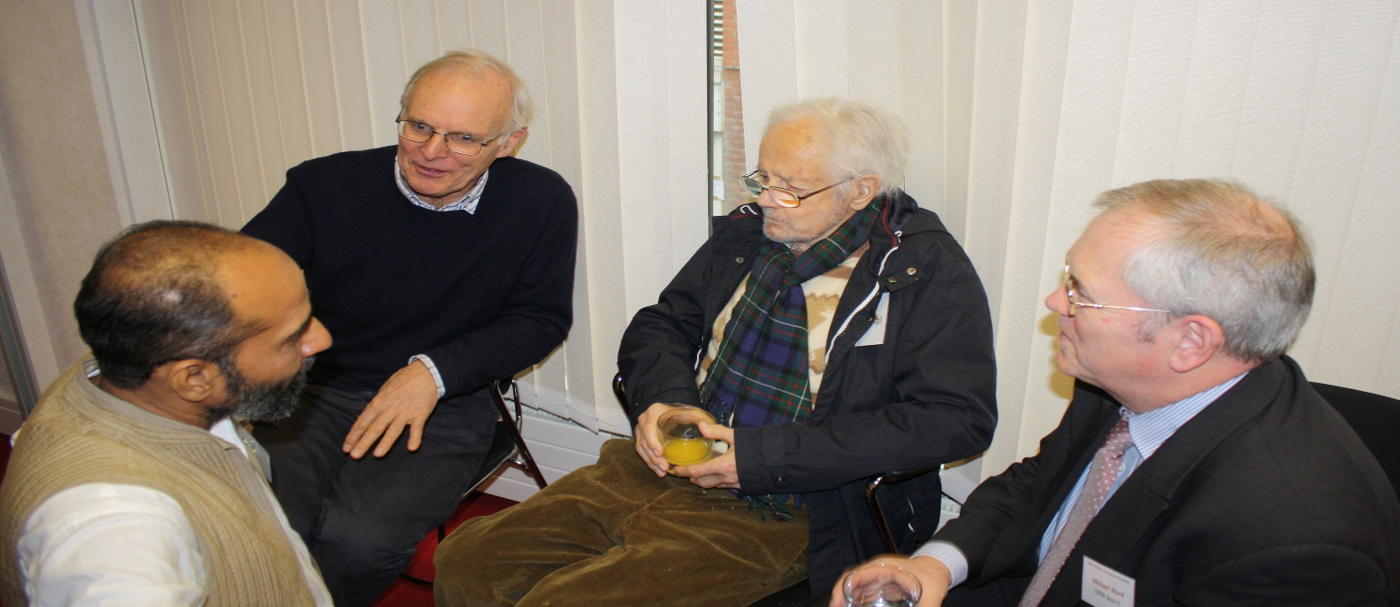
In photo- From left to right, Tomy Mathew, Robin Murray, Michael Barrett Brown and Michael Ward.
Robin Murray was an economist. But I have come across no other of that tribe who, like him, showed economics its proper place in the larger order of human pursuits. He refused, with the resoluteness of a conscientious objector, to let the black and red pencils of the auditor decide the fate of enterprises committed to humanising the exchange of goods and services. If today, against the pervasive corporate appropriation of the fair trade narrative, we are able to celebrate entities like Cafedirect, Divine Chocolate and Liberation holding aloft the flag of trade justice, we owe it in no small measure to Robin’s indefatigable story telling.
The narrative was key to Robin. Without it the best of numbers was unimpressive, but the most dismal of numbers was still redeemable with a narrative of human endurance to bet on and outlive. I saw this power of the narrative put to telling effect at the global assembly of Liberation held in 2008, in the nondescript village of Kelakam in Kerala. Born in to the lap of the global economic crisis, Liberation had almost wiped out its equity when its management walked in to the Assembly. Robin made no attempt to window dress the gravity of the situation. We are scratching the bottom of our chest, but even if it is the last thing we did as a company, we would hold this Assembly, Robin emphasised. ‘For we are about people and community.’ Mind you, as his voice boomed over an audience of about three thousand plus farmers and delegates from four continents, number crunchers back in London were vacillating if it wasn’t time up to intimate the receivers. Liberation still lives to tell the tale.
Like all true adherents of the dismal profession, Robin was acutely conscious of the trade off between the short term and the long term.But unlike the pessimists of his profession he refused to concede to their maxim that ‘in the long term we are all dead’. In the long term those steadfast to the narrative prevail. And they were for the most part not mega narratives. They were narratives of small farmers with smallholdings; narratives of Brazil Nut gatherers who declared the Brazil nut tree and its surrounding forests as patrimony to humanity; of the Kerala Seed Fest being a precious creation; of FairTrade being like a dance and a community meal; of the woman chair of Kuapa Kokoo defying patriarchy in her village.
I heard the news about this master storyteller’s vanishing act only on the third day of the fete. All of 5500 farmer members of Fair Trade Alliance Kerala heard it though in the very next hour since and lowered their flags in salute. Another of those stories for our common repertoire, Robin.
Original article shall be found here : Tribute to Robin Murray by Tomy Mathew
Following a trip to cocoa producers, I visited the “Fair Trade Alliance Kerala” (FTAK) in Kerala two weeks ago at – the producers who had delighted me with the wonderful products in the first Crowd-Container-Package. That one can visit the producers of their own food far in the distance is not common. Too often, only glossed pictures are shown for the marketing in Europe to be in line with the do-good wishes of the consumers. With my own background as a producer (herbs and citrus fruits in Morocco) and as a sourcing manager (fresh pineapples from West Africa and Central America), I am strongly aware of fair trade between North and South. Even more, I appreciate the initiative of Crowd Container and the FTAK, which through transparency and a direct link between the producer and the consumer allow for truly fair trade and exchange.

My first contact with the producers in Kerala was at the organic shop of Elements, the local export partner of FTAK. The store could be located somewhere in a European metropolis and would not attract attention to anybody as a foreign body. On the contrary, while in Switzerland unpacked stores sprout from every corner, the Elements Organic Store Calicut has been the standard for almost 30 years. We went on to the coconut oil factory, a few hours north of Calicut. I was not even sure if the factory was operating at all. There is nothing hectic, nobody is shouting – but on closer inspection it is noticeable that people are working hard, but with a soothing calm and concentration. At the latest, when I had lunch in the company-owned cafeteria, I wanted to apply for a job. By far the best meal I had eaten on my whole trip. Also, this factory is not simply a factory, but there are cycles, analyzed, used and lived, down to the last detail: Food waste and coconut water become biogas, which is used for cooking in the canteen for the workers. The waste water from the biogas plant is cleaned by plants and then reused, to name only two examples.

The following day I visited some producers on site. I am used to see pineapple mono-cultures by hectares, the form of production in mixed cultures and the associated biodiversity was already a pure visual benefit. While most species were already known to me, there was still a lot to discover, for example the inconspicuous cardamom. Also, it was very exciting to learn and see how the cooperative is functioning and organized. With 5000 members, I imagined it to be rather difficult. But from my little insights I had a good impression. The whole cooperative is organized in small, manageable units, each with about 30 farmers to ensure that every farmer has a voice.
Finally, I would like to thank the FTAK and Elements for the delicate products and the exciting insights into Kerala.

Original article shall be found here: Zu Besuch bei Elements und Fair Trade Alliance Kerala
We believe that the world’s greatest challenges will never be solved by one person or organization alone. We need to work together! We are introducing our new series #MeetTheCreators with a monthly interview with a member showing his/her impact and work for reaching the sustainable development goals.
Meet our SDG this month:
The Sustainable Development Goal Nr 12 wants to ensure sustainable consumption and production patterns.
Meet our creator this month:
Member: Tobias Joos
Organisation: CrowdContainer
SDG: Nr 12 – Responsible Production and Consumption
Tobias Joos is the founder of Zurich based Crowd Container. His team and him are currently running their third crowd campaign to supply customers in Zurich and Bern with delicious and sustainably grown products directly from farmers in Kerala.
How is your project contributing to Sustainable Development Goal No.12 – Responsible Production and Consumption?
Crowd Container fills the big gap between sustainable agriculture and responsible consumption. Sustainable agriculture is mostly based on small scale, mixed crop, ecological farming. Often it is based on the principles of organic agriculture. However, industrialized agriculture, which uses lots of chemical inputs, has big advantages when it comes to trading. The mainstream marketing channels such as the big retailers and the food industry are ideal outlets for the commodities produced by large-scale agriculture. It is very hard for small farmers who are committed to sustainable agriculture to sell their produce at a sustainable price. We try to fill that gap by building a direct marketing channel for small producers to reach the end customers more directly. We do that not only in a regional setting, but also on a global scale.
What makes it so hard for small farmers to feed their products into the larger supply chain?
Small farmers often grow ancient varieties and different crops on the same plot. They get many different products in small quantities and the products are not standardized. I once tried to sell turmeric powder to a supermarket. We agreed on the price and the quantity and delivered the product. What we did not anticipate was, that the spice glass in the supermarket stayed half empty after filling them with our turmeric powder. Of course, it turned out to be a huge problem. It was very clear that our turmeric powder from the small holder farmers was better in taste, however, it also had a higher bulk weight and that meant that the glass didn’t fill up.
And you can’t foresee all these factors in the product?
You could probably solve the problem with the turmeric by introducing new packaging, but for the supermarket, the worst case scenario is an empty shelf. So the supermarket has to find five more suppliers who can produce exactly the same product to be sure to have it always available. And then, of course, they will buy the product from the cheapest supplier. That doesn’t fit the logic of sustainable agriculture where you have to make long-term investments in your land and the fertility of the soil. In many cases this also involves growing perennial crops such as fruit and spice trees, coffee or cocoa. You cannot shift to growing a different product for the market from one day to the other. Here in the city, we are very much disconnected from the way our food is grown. We just want the same pack of coffee at 6.50 CHF any time of the year.


It sounds like you are working on the problem from two sides. One side is on the production and supply chain and the other part is the consumer behavior?
Exactly, so the second big effort we do apart from working with small farmers on the supply chain is raising awareness among our consumers – why should I buy the food directly from the farmers? And what does it mean to get for instance pepper from India? It’s such a common thing that you always have pepper on your table. You never really think about what it takes to bring it here. You never think about what it takes to grow this pepper and who are the people involved in it. Therefore, we try to show that to our customers. Part of it is, that they have to pre-order the product and then wait for it. While they are waiting, we tell them the story behind their food.
Does that mean you use the waiting time to fill in the information about how the food is produced and where it has been produced and how to cook with it? So by the time the Päckli arrives in Switzerland, the consumer has much more information about the product than he`d have if he had bought the same product in the supermarket.
Exactly. When people decide to spend 150 CHF for a box and then have to wait for it to arrive, they are much more interested in knowing more about the products they`ve ordered. For us, it is of course a challenge to have customers commit upfront and then have them wait for their orders. But by doing so, we can eliminate all the uncertainty in the supply chain and all speculative elements of the trading. This allows us to be really transparent, even about our margins. And that’s the other crucial part of our model.
It sounds like there is a lot more communication involved than in the “traditional” process?
Yes, it’s a lot about storytelling and explaining the differences, also because there is so much waiting involved in the process. Marketing and communications are the biggest challenges for us.
What’s the best thing for you about being an entrepreneur working on such a big change?
I just thought about this yesterday. 90% of the time I feel motivated and have a really good time at work and that’s different from any job I ever had before.
What is the most annoying thing about being an entrepreneur for you?
When you don’t get lunch (Tobias laughs and explains to us, he didn`t get to eat before the interview).
One of the main difficulties is resources, especially if you are in a phase before you get investments. Our resources are extremely limited. Of course it’s about failing forward and somehow that`s how it should be. But for instance, if we fail now to get our orders in, I don’t know how it will continue. And if it will continue. Because basically, in case we fail, we`re broke. That’s sometimes so unnerving. I am really convinced that our vision of direct and transparent online trading has a future and that we are on the right path. But currently the margin for error is so small. You can be wiped out tomorrow if you make a mistake. There is a bit of a contradiction between the trial and error methodology and the ideal of being small and agile. You actually don’t have the margin to fail. You try – and it has to work.
Is there one partner you are dying to work with?
Our vision is to build a the platform that allows our customer to order unique food directly from small producers. There, I see some similarities with AirBnB. We want to become the AirBnB of Fair Trade. You know, I think buying from the supermarket shelf is as boring and convenient as staying at the big three star hotel near the train station. It’s much more exciting to go to someone’s home, maybe it’s also a bit more complicated, but it’s a fascinating experience. So yes, I would love to learn from AirBnB how they built their platform.
The original article can be found here: Meet the creators: Tobias Joos from CrowdContainer
Every elements product is sourced on fair trade terms from member farmers of Fair Trade Alliance Kerala. The farmers are assured a fair price, which enable them to initiate activities that promote biodiversity, food security and Gender justice.
- Organically grown Fairly traded
- Sourced from Fair Trade Alliance Kerala
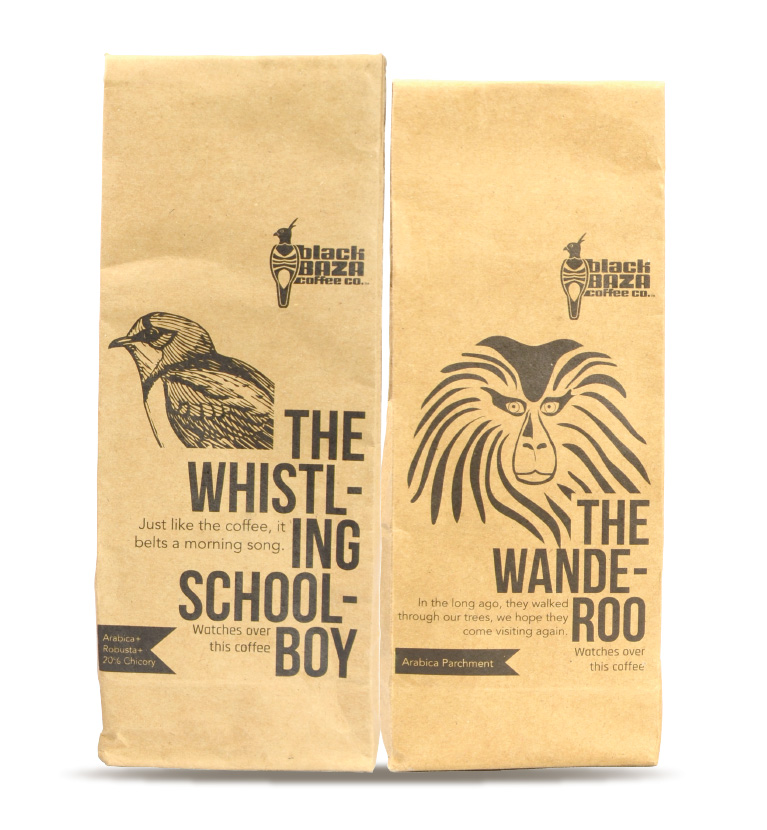
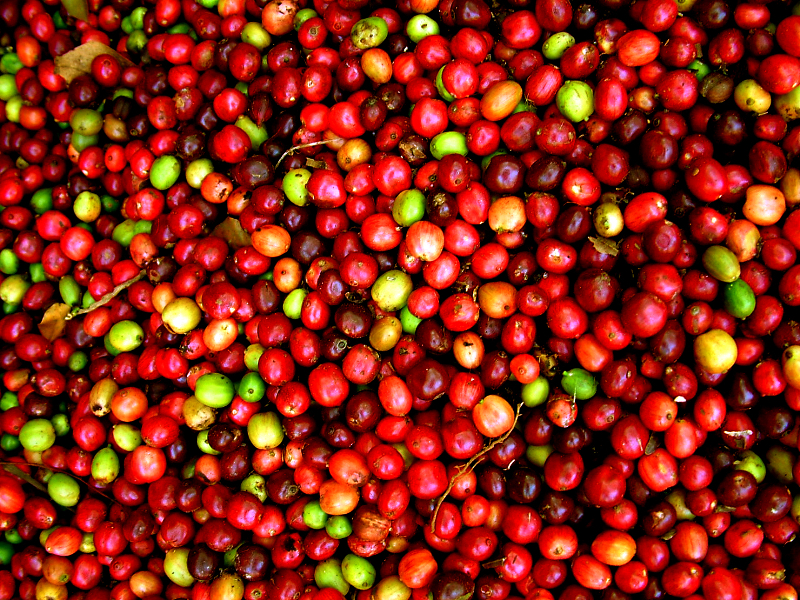
We offer triple certified Robusta Coffee grown in the misty Wayanad hills.They are Organic, Fair Trade and Rainforest Alliance certified.The coffee farms are located in the Western Ghats, a World Heritage Site and is part of the Nilgiri biosphere, a bio diversity hotspot. The Organic certification is accorded by third party inspections and by a robust Participatory Guarantee System (PGS). The coffee is also Fair Trade certified both under SPP and Fairtrade International certification regimes. Ours is the first Fairtrade certified coffee from the Indian subcontinent and is patronised by discerning roasters in Italy, the U.K, the U.S, Switzerland and Canada.
- Organically grown Fairly traded
- Sourced from Fair Trade Alliance Kerala
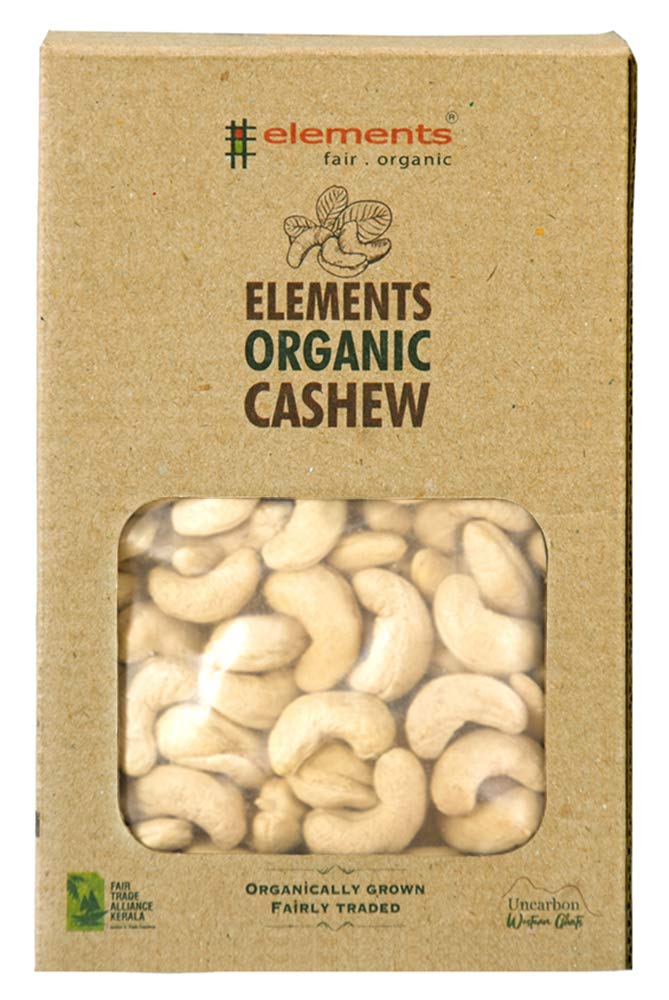
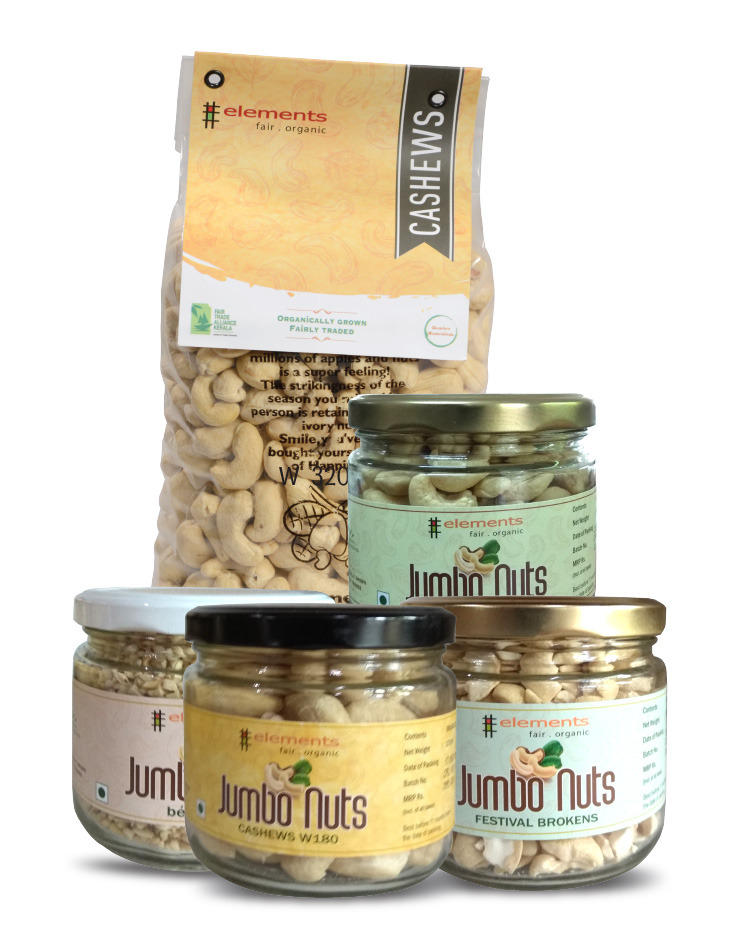
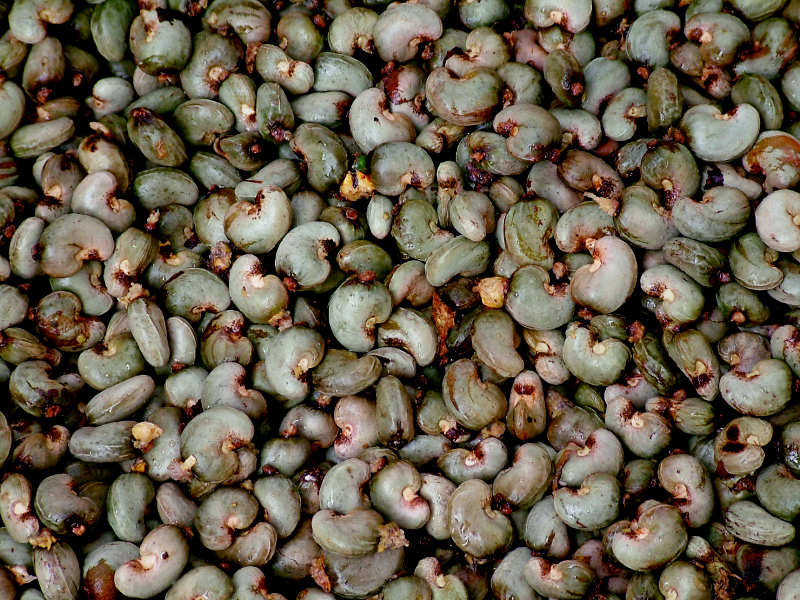
Picking & slurping on Cashew Apple when the Malabar hills weigh under millions of apples and nuts is a super feeling. The wonder of the season you missed in person is retained in these ivory nuts.
Smile, you’ve just bought yourself a bit of Happiness!
And in the bargain you have also aligned yourself with a grassroots movement that upholds the dignity of the farmer and the preservation of the environment.
These cashews are sourced on Fair Trade terms from member farmers of Fair Trade Alliance Kerala. Their farms are located in the hilly tracts of Malabar that form part of the Western Ghats. The environmental sensitivity of farming operations here secures our collective future in a climate challenged world.
The farmers enjoy the guarantee of a fair price, protected against the wildly fluctuating commodity prices. The higher than market price, along with the Fair Trade social premium, enable them individually and as an organisation to initiate activities that promote bio diversity, food security and gender justice.
- Organically grown Fairly traded
- Sourced from Fair Trade Alliance Kerala